Byadmin
What Is Yield Farming and Is It Safe?
Yield farming involves providing liquidity to DeFi protocols in exchange for rewards, such as fees or tokens. Returns depend on competing incentives and can vary with market conditions. Risks include impermanent loss, governance and oracle failures, and platform vulnerabilities. Diversification, audits, and transparent protocols help but do not eliminate risk. Assess volatility, fees, and exposure upfront, apply risk-adjusted strategies, and monitor continuously to balance potential gains with safety measures. A careful assessment awaits after this initial framing.
What Yield Farming Is and Whether to Consider It
Yield farming refers to the practice of earning rewards by providing cryptocurrency liquidity to decentralized finance (DeFi) platforms, typically through protocols that offer interest, governance tokens, or fee-sharing incentives.
The analysis notes that yield farming involves liquidity mining strategies, assessing potential returns against risk exposure, capital efficiency, and platform transparency; questions arise about sustainability, governance, and security before considering participation.
See also: What Is Web3 and Why Is Everyone Talking About It?
How Yield Farming Works: Pools, Tokens, and Risk
Liquidity provisioning lies at the heart of how yield farming operates, translating user funds into competing incentives across DeFi protocols.
Pools aggregate liquidity, tokens represent stakes and rewards, and risk assessment weighs impermanent loss against rewards.
Yield diversification among pools mitigates concentration risk, yet platform risks remain, including governance, oracle, and vulnerability exposures that can affect returns and capital preservation.
Strategies by Investor Type: Conservative to Aggressive
Investors approach yield farming with a spectrum of risk tolerance and capital-allocating priorities, from conservative capital preservation to aggressive growth aims.
Strategies differ by investor type: conservative seekers emphasize risk management and steady income, while aggressive participants pursue higher yields through diversified pools and liquidity mining.
Key concepts include yield diversification and risk adjusted staking, balancing return potential against drawdown risk and liquidity constraints.
Is Yield Farming Safe? Risks, Safeguards, and a Quick Decision Guide
Is yield farming safe? The assessment weighs yielding risk alongside potential returns, emphasizing that smart risk management is essential. Safeguards include diversified staking, transparent protocols, liquidity controls, and regular audits, though none eliminate chance. Investors should gauge volatility, fees, and impermanent loss. A cautious approach favors clear criteria, fallback plans, and ongoing risk monitoring before committing capital.
Conclusion
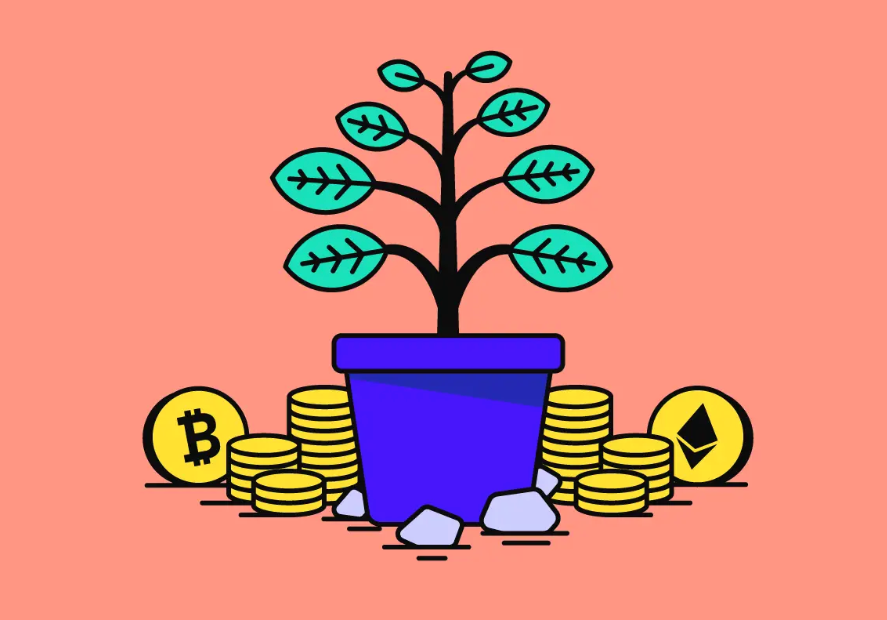
In the ledger of finance, yield farming is a garden. Seeds—liquidity, tokens, incentives—offer rapid blooms, yet the soil hides unseen roots: impermanent loss, oracle whispers, and protocol storms. Diversified plots and audited trellises provide shelter, but not immunity. For the prudent, a measured stake is a shield; for the reckless, a tinderbox. Decisions should balance brightness of rewards against the shadow of risk, tending each position with constant vigilance as markets weather tides.